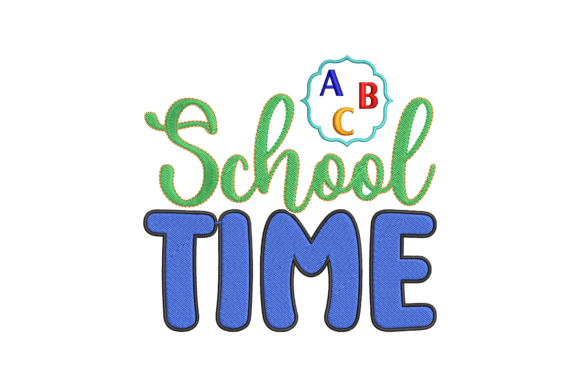
School Time: A Craft Fair Embroidery Review
First Impression: Charming, Elegant, and Instantly Recognizable
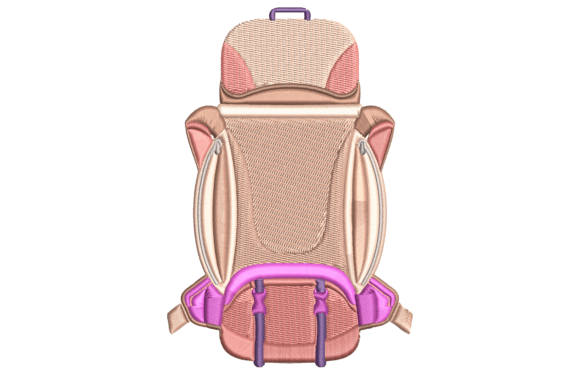
As an embroidery designer who’s prepped over 200 craft fair booths—from Portland makers’ markets to Midwest county fairs—I opened School Time expecting a nostalgic or playful motif. What stood out immediately was its quiet confidence: it reads as elegant *and* approachable, with just enough charm to feel handmade but refined enough to command premium pricing. It doesn’t shout “Back To School”—it whispers it with intention. That subtlety is gold for boutique makers and Etsy sellers who want seasonal relevance without looking like a discount supply catalog.
Where School Time Shines in Real-World Product Displays
At a crowded craft fair, customers glance for under three seconds before moving on. School Time earns that glance—and holds it—on the right products:
- Tote bag design: Works beautifully centered on natural canvas or linen-blend totes—large enough to read from six feet away, yet delicate enough to avoid visual clutter.
- Apron embroidery: Ideal above the pocket or subtly along the waistband. Its balanced composition flatters curved fabric surfaces without distortion.
- Tea towel embroidery: Performs exceptionally well on medium-weight cotton towels. The design’s clean lines resist bleeding into textured weaves, and its elegance elevates an everyday kitchen item into a giftable handmade product.
- Embroidered patch: Highly adaptable—cut-and-sew or iron-on versions sell fast at markets. Just confirm the stitch density allows clean edge finishing.
- Fabric pouches & small pillow covers: Scales down gracefully. As a focal point on a 6" x 8" pouch or 12" square pillow cover, School Time adds instant personality without overwhelming.
It’s less effective on curved cap surfaces unless simplified—tiny details or fine lettering can blur on structured caps. Likewise, avoid placing it full-size on dense, napped fabrics like heavy fleece or thick terry cloth without testing stabilizer support first.
Photography, Listings, and Online Conversion
School Time photographs exceptionally well for Etsy listings and social media. Its balanced negative space ensures crisp readability in thumbnail size, and its soft elegance translates across lighting conditions—no harsh shadows needed. Pair it with neutral backdrops (oatmeal linen, matte white ceramic, raw wood) to let the handmade quality shine. For printable mockups, it integrates cleanly into lifestyle scenes: a stack of notebooks beside an embroidered tote, or a steaming mug on a tea towel with School Time peeking from the corner. That kind of cohesion builds brand consistency across your digital embroidery file offerings.
Production Practicality: Batch-Friendly, But Not Blindly So
This isn’t a “load-and-go” machine embroidery design—but it’s refreshingly straightforward for a small shop product. You’ll appreciate its moderate stitch count (verify exact count in your file), predictable thread color transitions, and minimal jump stitches. That means faster hooping, fewer thread breaks during batch production, and consistent results across dozens of tote bags or aprons.
That said, don’t skip the prep work. Here’s what I always do before cutting fabric:
- Test the design on scrap fabric matching your intended product—especially if using textured towels or dark fabric. Contrast matters: light thread on navy canvas? Gorgeous. Same thread on charcoal terry? May vanish.
- Review spacing between elements—tight kerning or narrow gaps may close up on thick stabilizer or dense fabric.
- Confirm hoop size compatibility. If your standard hoop is 4" x 4", ensure School Time fits comfortably inside with ¼" margin—no last-minute resizing mid-booth setup.
- Inspect stitch density in tight zones (like small lettering or botanical accents). Overly dense areas trap moisture and stiffen fabric—problematic for wearable items like aprons or pouches.
- Use the right stabilizer: tear-away for stable wovens, cut-away for knits or stretchy blends, and water-soluble for delicate surfaces like silk-blend pillow covers.
- Create at least one real mockup—not digital, not printed, but fully stitched, pressed, and displayed. See how it drapes, how light catches the threads, how it feels in hand.
- Compare fabric colors side-by-side. A warm ivory linen versus cool oatmeal changes the entire mood of School Time.
- Confirm commercial licensing status before selling finished products. This is non-negotiable for Etsy sellers and small shop owners.
What Customers Notice—And Why It Sells
In person, School Time draws attention through contrast—not loudness. Its elegance signals care, its charm invites connection, and its Back To School theme taps into emotional resonance: teachers buying gifts for students, parents commemorating milestones, creatives celebrating learning as joy. On your booth table, it strengthens visual hierarchy—pair it with minimalist packaging and handwritten tags, and it becomes a conversation starter. Buyers don’t just see embroidery; they see intention, craftsmanship, and story.
Careful-Use Notes for Best Results
Keep these practical realities in mind:
- Dense stitch areas may require reduced speed on older machines—don’t rush the final pass.
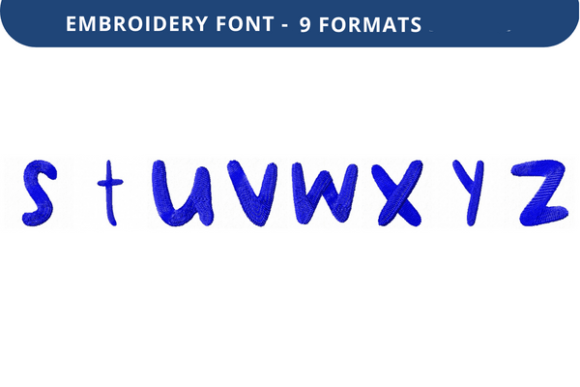
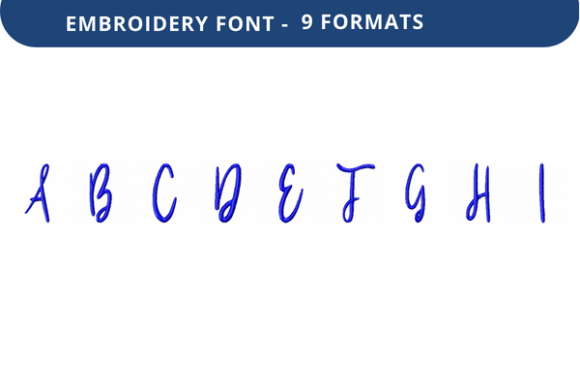
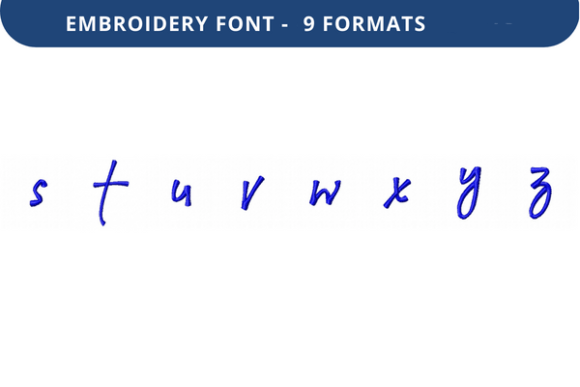
- Tiny details or small lettering lose clarity below 3" wide. Scale thoughtfully for patches or pouches.
- On dark fabric, test metallic or high-contrast thread colors—standard ecru may disappear.
- Textured towels demand tighter stabilizer tension and possibly a second layer—run a test swatch before committing.
- Avoid stretching curved cap surfaces during hooping—distortion blurs fine lines in School Time.
Final Thought: A Reliable Anchor for Your Fall Line
School Time isn’t flashy—but it’s dependable, versatile, and quietly persuasive. It supports your brand voice whether you lean modern-minimal, rustic-chic, or joyful-feminine. For craft fair sellers, it’s a high-conversion anchor piece. For digital sellers, it’s a strong, licensable asset. And for embroidery business owners building a library of commercial embroidery designs? It’s the kind of timeless, seasonally flexible work that earns repeat orders—not just once a year, but year after year.