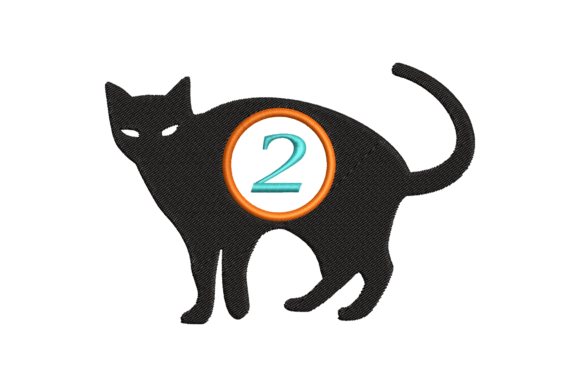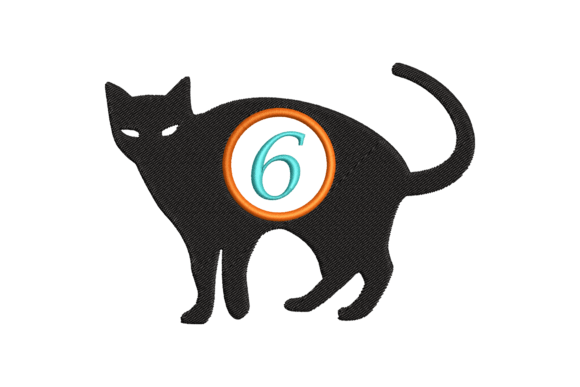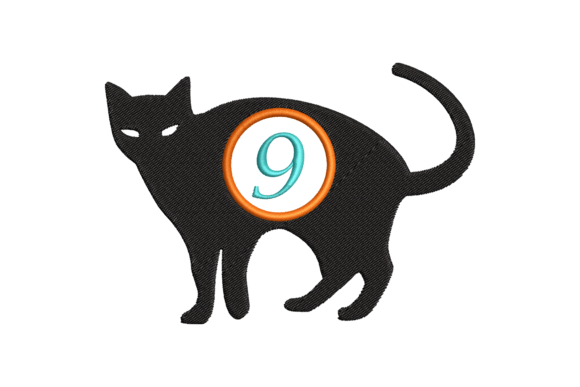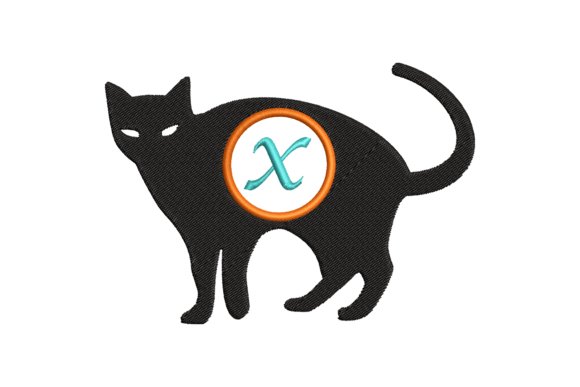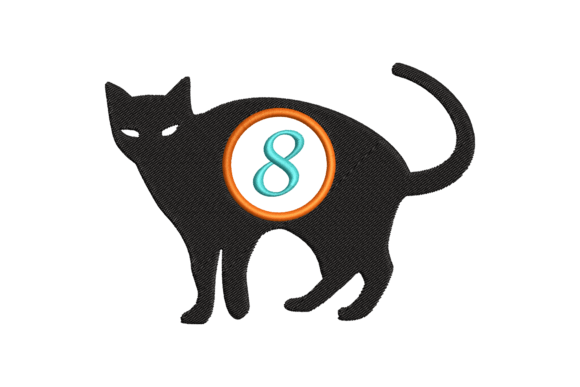
Black Cat Number 8: A Craft Fair-Ready Embroidery Design
First Impression: Bold, Playful, and Unexpectedly Sophisticated
As an embroidery designer who’s prepped over 200 craft fair booths—and watched real customers pause, point, and reach for items—I can tell you Black Cat Number 8 lands with quiet confidence. It’s not cutesy or cartoonish; it’s bold without being aggressive, whimsical without sacrificing elegance. That “8” isn’t just a number—it feels intentional, balanced, almost emblematic. Paired with the black cat motif, it evokes curiosity, intelligence, and a subtle nod to Back To School energy—think clever notebooks, teacher appreciation gifts, or student-branded gear that doesn’t scream “juvenile.” It reads as modern farmhouse meets indie boutique: grounded, memorable, and quietly premium.
Where Black Cat Number 8 Shines on Craft Fair Products
In my booth setup—tote bags front and center, aprons hanging on a reclaimed wood rack, tea towels folded beside embroidered pouches—Black Cat Number 8 performs strongest where contrast and clarity matter most:
- Tote bag design: Centered on natural canvas or oatmeal linen, it reads instantly from six feet away—no squinting required. The clean silhouette holds up beautifully at 4–5 inches wide.
- Apron embroidery: Placed just above the pocket or centered on the bib, it adds personality without overwhelming function. Customers consistently gravitate toward aprons with one strong, legible motif—not busy borders or tiny flourishes.
- Tea towel embroidery: Works best on smooth, medium-weight cotton (not terry or heavy waffle weave). On a crisp white or soft sage towel, the black cat + numeral feels both decorative and useful—like a small heirloom detail.
- Embroidered patch: This is where Black Cat Number 8 becomes versatile. Iron-on or sew-on, it’s ideal for denim jackets, backpacks, or even laptop sleeves—giving small shop owners low-risk, high-margin add-ons.
- Pillow cover & fabric pouch: At 3–4 inches tall, it anchors the piece without dominating. Buyers love when a single motif tells a story—here, it whispers “mystery,” “luck,” or “new beginnings”—perfect for handmade gifts.
What Holds It Back (And How to Fix It)
Not every surface is equal—and Black Cat Number 8 reveals its limits quickly if rushed. Here’s what I test before cutting a single thread:
- Dense stitch areas: If the cat’s fur or numeral has tight fill stitches, it may pucker on lightweight knits or stretchy fabrics. Always use cutaway stabilizer for anything with moderate-to-heavy fill.
- Small lettering or fine lines: The “8” must remain legible at 2.5 inches. If your digital embroidery file includes thin serifs or delicate curves, those will vanish on textured towels or curved cap surfaces.
- Dark fabric: Black thread on black fabric? Invisible. Always confirm thread colors match your base fabric—or opt for tonal gray, deep navy, or metallic silver for contrast without breaking the mood.
- Hoop size & placement: This design needs breathing room. Avoid cramming it near seams, corners, or elastic hems. A 4x4 hoop works for patches and pouches; 5x7 gives breathing room for tote bags and aprons.
Why It Converts at the Booth—and Online
At craft fairs, attention spans are short and tactile engagement is high. Black Cat Number 8 wins because it’s instantly readable, photogenic, and repeatable. When I hang three versions—a cream tote, a charcoal apron, and a navy tea towel—the design reads as a cohesive collection, not random one-offs. That builds brand consistency, even without a logo.
For Etsy sellers and digital embroidery file shops, it’s equally strong: the name “Black Cat Number 8” is search-friendly (think “black cat embroidery,” “number 8 embroidery,” “Back To School embroidery”), and the concept translates seamlessly into printable mockups. Buyers can visualize it on their own products—no guesswork.
Most importantly, it feels handmade without looking labored. There’s no excessive stitch density dragging down production time. Batch-embroidering 20 tote bags? Realistic. Adding it as a small accent to 50 fabric pouches? Doable. That scalability matters—especially when you’re balancing craft fair prep with daily orders.
Practical Designer Notes Before You Stitch
Before committing to inventory or listing a commercial embroidery product, do these five things:
- Test the machine embroidery design on scrap fabric matching your final product—same weight, same texture, same dye lot if possible.
- Check thread contrast under natural light *and* booth lighting (LEDs can wash out subtlety).
- Review spacing between cat and numeral—if they’re too tight, it blurs at smaller sizes; too far, it loses cohesion.
- Confirm hoop size compatibility across your machines—and whether the design fits cleanly in your standard hoop without re-hooping.
- Create at least one real mockup (not just a digital render) and hold it at arm’s length. Does it pop? Does it feel finished?
Also: compare how Black Cat Number 8 looks on light vs. dark fabric swatches, and always verify commercial licensing terms before selling finished products. If the embroidery file includes multiple colorways or alternate layouts, prioritize the version with strongest negative space—it photographs better and stitches cleaner.
Final Thought: A Quiet Standout in a Noisy Market
In a sea of florals, quotes, and generic icons, Black Cat Number 8 stands out by being specific, confident, and quietly layered. It’s not shouting—it’s leaning in. For craft fair sellers, it’s a conversation starter. For Etsy sellers, it’s a niche anchor. For boutique makers, it’s a signature detail that elevates a simple tote into a collectible handmade product. And for students, teachers, and lifelong learners, it’s a charming, understated wink at new chapters—making it more than just a Back To School embroidery. It’s a small moment of craft, clarity, and charm—stitched to last.