Hello Kindergarten
A Designer’s First Impressions: Charm, Clarity, and Quiet Confidence
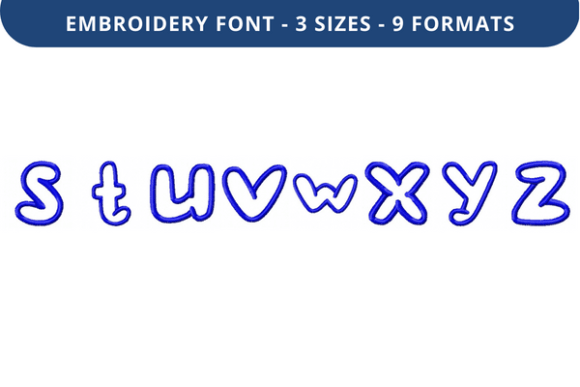
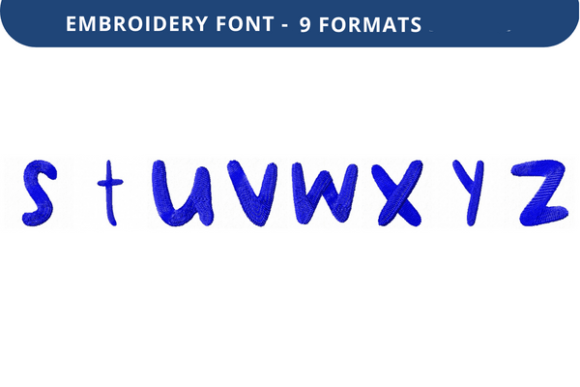
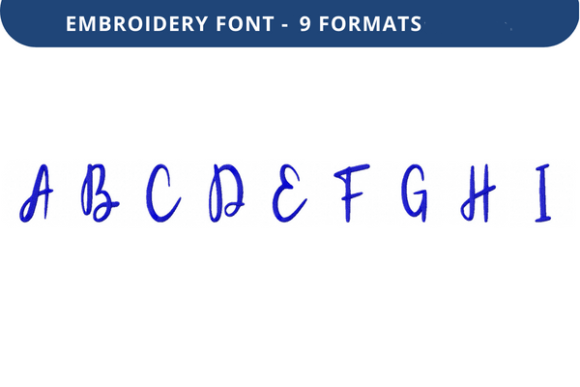
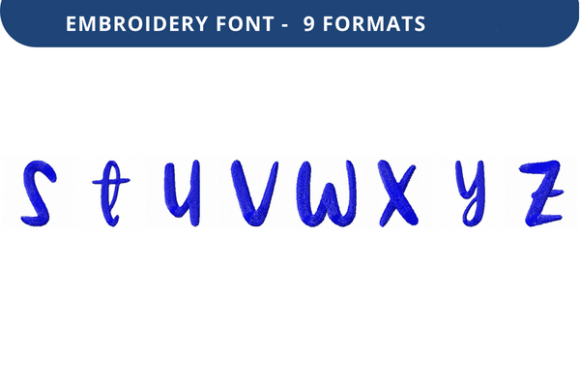
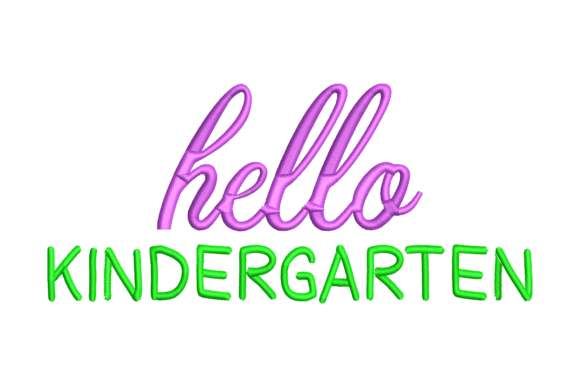
As an embroidery designer who’s tested hundreds of machine embroidery designs for personalized gift shops and Etsy sellers, I opened Hello Kindergarten expecting sweetness—and found something richer. It’s not just playful; it’s tenderly intentional. The lettering has gentle curves and soft spacing—no harsh edges or cramped kerning—giving it that handmade warmth without sacrificing legibility. There’s a quiet elegance in the way the “Hello” arches slightly over “Kindergarten,” like a parent’s hand guiding a child’s first steps. It feels timeless—not tied to a single trend—but still fresh enough for modern nurseries, baby showers, and even wedding keepsakes where new chapters begin.
Where This Design Truly Shines: Real-World Personalized Gift Uses
Hello Kindergarten isn’t limited to backpacks or lunchboxes. Its emotional resonance makes it versatile across categories:
- Baby embroidery: Perfect on organic cotton swaddle blankets, muslin bibs, or linen onesies—especially when paired with a tiny embroidered apple or pencil motif (as a companion design).
- Wedding gift: Stitched onto a linen pillow cover for the couple’s nursery-in-the-making—or on a hand-stitched quilt block for a “future classroom” theme.
- Embroidered towel: Works beautifully on high-quality cotton kitchen or guest towels—just avoid dense terry loops that swallow fine details.
- Pillow cover & blanket embroidery: Holds up well on medium-weight fabrics like duck cloth or brushed cotton, adding heirloom appeal to nursery decor.
- Tote bag & apron: Ideal for small-batch craft fairs or Etsy listings—customers love items that feel both useful and meaningful.
- Custom order previews: Because the design reads clearly at 3–4 inches wide, it photographs well in digital mockups—boosting buyer confidence before purchase.
Thoughtful Placement Matters: Where to Use Hello Kindergarten—And Where to Pause
This design shines brightest when matched thoughtfully to fabric and function. Here’s what I’ve learned from stitching test runs:
- Avoid ultra-fine lettering on textured fabric: On thick terry or heavily napped fleece, delicate stems and subtle curves can blur. Stick to smooth, stable weaves like poplin, linen-cotton blends, or quilting cotton.
- Don’t stretch it onto curved surfaces: While lovely on flat pillow covers or tote fronts, avoid wrapping it around mugs, curved apron pockets, or contoured baby hats—it wasn’t digitized for distortion.
- Dark fabric? Test contrast carefully: Light thread colors (ivory, pale yellow, mint) look lovely—but verify visibility on charcoal or navy. A printable mockup helps, but nothing replaces stitching on your actual fabric.
- Frequent washing? Reinforce stabilizer use: For baby blankets or kitchen towels, pair with tear-away + cut-away stabilizer combo to prevent puckering over time.
- Stretchy baby clothes? Proceed with caution: Unless you’re using high-quality knit stabilizer and reducing stitch density manually, skip tight-knit bodysuits. Opt instead for structured items like quilt squares or framed hoop art.
Why Hello Kindergarten Builds Trust—and Sales—for Small Shops
In my experience, customers don’t just buy embroidered words—they buy meaning. Hello Kindergarten taps into universal milestones: first days, proud parents, teachers’ quiet dedication, grandparents’ nostalgia. That emotional hook translates directly into perceived value. When stitched cleanly on a premium baby blanket, it doesn’t feel like a generic “Back To School” item—it feels like a story stitched in thread.
That perception lifts everything: product photography looks more heartfelt, Etsy listings get longer dwell time, and custom order requests increase because buyers trust your eye for quality and sentiment. It also signals craftsmanship—if your Hello Kindergarten samples show crisp edges, balanced stitch density, and thoughtful thread choices, customers assume the same care goes into every handmade product you offer.
Practical Embroidery Notes Every Maker Should Confirm
Before stitching your first customer order—or uploading to your digital shop—take these five minutes to protect your reputation and results:
- Test on scrap fabric—same type, same color, same wash prep—as your final product.
- Check thread color contrast in natural light *and* under warm indoor lighting. What reads clearly on screen may fade on dark denim.
- Confirm hoop size compatibility. If your machine uses smaller hoops (e.g., 4x4”), verify the design fits—or if resizing is safe (hint: avoid scaling below 85% unless the file includes optimized small-size versions).
- Review stitch density. Overly dense fills can cause fabric distortion on lightweight materials. If the file feels heavy, consider reducing density by 5–10% in your embroidery software.
- Use proper stabilizer—not just “some.” Match it to fabric weight and end use: cut-away for knits, tear-away for stable wovens, and fusible for delicate linens.
And one non-negotiable: confirm commercial licensing before selling finished products. As a digital embroidery file, Hello Kindergarten must be cleared for resale—whether you’re embroidering 10 towels for a local boutique or listing unlimited downloads on Etsy. If terms aren’t clear in the product description, reach out to the designer or vendor before investing time or inventory.
A Final Thought for Handmade Sellers
Hello Kindergarten succeeds because it balances simplicity with soul. It’s not flashy—but it invites pause. That’s rare in today’s fast-scrolling marketplace. When you pair it with intention—thoughtful fabric choice, honest photography, and genuine storytelling—you’re not just selling embroidery. You’re offering a quiet celebration of beginnings. And that, for baby product creators, wedding gift designers, and small shop owners alike, is the kind of handmade product that gets saved, shared, and passed down.