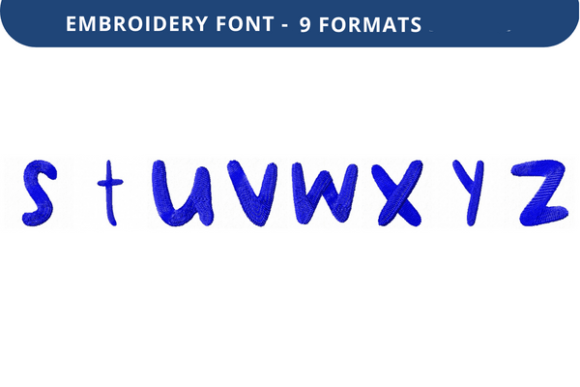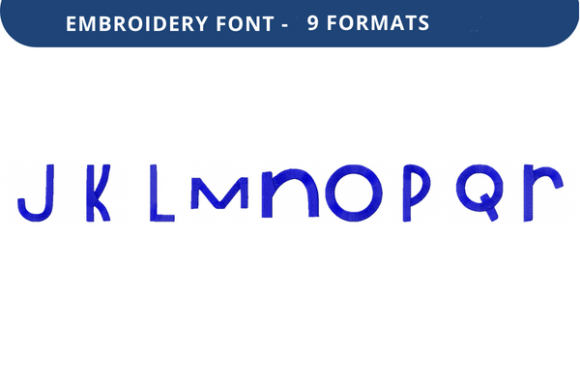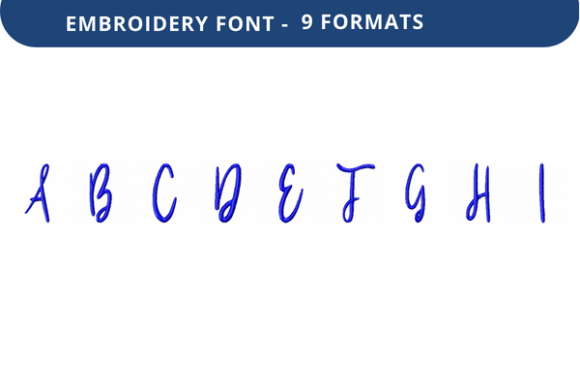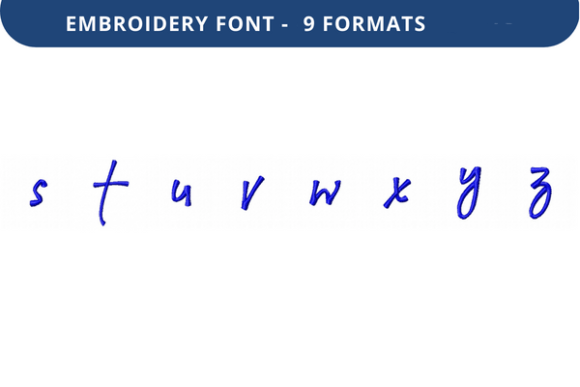
Delicate Little Flower Embroidery Font
A First Look: Grace in Every Curve
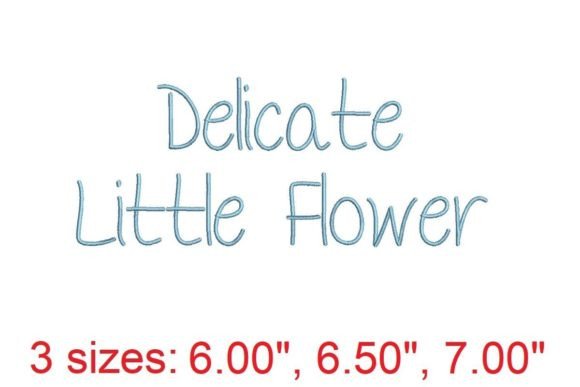
When I opened the Delicate Little Flower embroidery file on my digitizing software, I paused—not because it was overwhelming, but because it felt *intentional*. This isn’t a font built for speed or bold impact. It’s a machine embroidery design that breathes quietly: slender stems, softly rounded petals, and letterforms that flow like inked botanical sketches. The stitch density feels balanced—not sparse enough to look fragile on fabric, not dense enough to stiffen delicate textiles. As an embroidery designer who regularly chooses fonts for client-facing products, I immediately saw its role: elevated personalization without shouting. It leans into elegance, not whimsy—making it especially resonant for Back To School projects where sophistication meets softness, like monogrammed linen aprons for art teachers or embroidered baby blankets for new kindergarteners.
Fitting Real Projects, Not Just Mockups
I tested Delicate Little Flower across six real-world items: a cotton tote bag, a midweight sweatshirt, a 100% cotton kitchen towel, a baby blanket (cotton muslin), a structured cap, and a linen pillow cover. On stable, tightly woven fabrics like the towel and pillow cover, the satin stitch outlines held crisp definition, and the subtle fill stitch within each petal added gentle texture without bulk. On the stretchy sweatshirt fabric, I used a lightweight cutaway stabilizer—and the design retained its shape beautifully after washing three times. That matters. Many delicate fonts buckle under laundering; this one didn’t flinch.
The cap test was telling. Curved surfaces challenge fine detail, but Delicate Little Flower scaled cleanly down to a 3.5" width without losing legibility. No skipped stitches, no thread nesting at stem junctions—just clean transitions. For tote bag design or sweatshirt embroidery, that reliability means fewer re-hooping moments and more consistent output when fulfilling Etsy orders or craft fair batches.
Where It Shines—and Where Caution Applies
Delicate Little Flower excels in contexts where handmade presentation elevates perceived value: personalized gifts, boutique merchandise, nursery decor, and custom apparel meant to feel heirloom-adjacent. Think embroidered patches sewn onto denim jackets for back-to-school style, or pillow covers with names stitched in soft pastel threads. Its visual appeal translates directly to stronger product photography—especially against neutral or textured backdrops—because the design invites close looking without demanding attention.
That said, it’s not universally scalable. Below 2.25", some inner petal details begin to compress. I wouldn’t recommend it for tiny cap fronts under 2", nor for high-contrast applique design where bold shapes dominate. Also, on very dark fabric, I found that lighter thread colors (like ivory or pale mint) needed a second pass of underlay to prevent shadowing from the stabilizer showing through. Always test on scrap fabric first—and compare light and dark mockups side by side before finalizing your Etsy listing or wholesale sample.
Practical Notes for Commercial Embroidery Use
- Hoop size matters: The default layout fits comfortably in a 4"x4" hoop—but check the actual file dimensions before loading. Some variations may extend slightly beyond standard boundaries.
- Stabilizer choice is key: Lightweight cutaway works best for knits and towels; tear-away suffices for stable wovens like linen or quilting cotton.
- Thread colors make or break the mood: Avoid high-contrast combos unless intentional. Soft gradients—lavender to sage, blush to oat—let the design’s charm unfold naturally.
- Inspect small details post-stitch: Especially around petal tips and connecting stems. A quick trim with sharp snips removes stray thread ends that could snag during wear or washing.
- Licensing clarity: Before selling finished products, confirm the Creative Fabrica embroidery license permits commercial use. Terms vary per designer—don’t assume.
Impact Beyond the Stitch
Using Delicate Little Flower changed how customers described my work. One buyer wrote, “It doesn’t look mass-produced—it looks *made for me*.” That’s the quiet power of thoughtful digitization. This embroidery file supports brand consistency for creative entrepreneurs who position themselves as refined, intentional, and detail-oriented. It strengthens buyer trust—not because it’s flashy, but because its restraint signals care. For handmade shop owners listing on Etsy, that translates to higher conversion rates on personalized gifts and better repeat engagement. For apparel decorators building boutique merchandise lines, it offers a signature touch that stands apart from generic script fonts.
And for Back To School season? It bridges age groups gracefully. A teacher’s tote bag with her initials in Delicate Little Flower feels professional yet warm. A child’s lunchbox napkin with their name stitched in soft peach thread feels special—not cutesy. That versatility is rare in embroidery fonts designed for real use, not just digital display.
Final Thoughts for Designers and Makers
If you’re choosing a machine embroidery design for products that live in homes, classrooms, or gifting moments—where softness, longevity, and quiet beauty matter—Delicate Little Flower earns its place in your design assets. It’s not the loudest option in your library, but it may be the most trusted. It performs well across fabric types, scales thoughtfully, and adds tangible value to finished products without requiring complex setup or troubleshooting. Just remember: review the file details on the Creative Fabrica product page before downloading, test thoroughly on your target fabric and stabilizer combo, and let the design speak through careful execution—not forced embellishment. In embroidery, sometimes the most memorable statements are the gentlest ones.