Black Cat Number 1: A Practical Designer’s Review
As a designer who’s stitched hundreds of embroidery files for client apparel, boutique merchandise, and Etsy bestsellers, I opened Black Cat Number 1 with quiet curiosity—not hype. This isn’t just another back-to-school motif. It’s a small, intentional shape with personality, and how it lands in real life depends entirely on where you place it, what you pair it with, and how thoughtfully you execute it.
First Impression: Charm Without Clutter
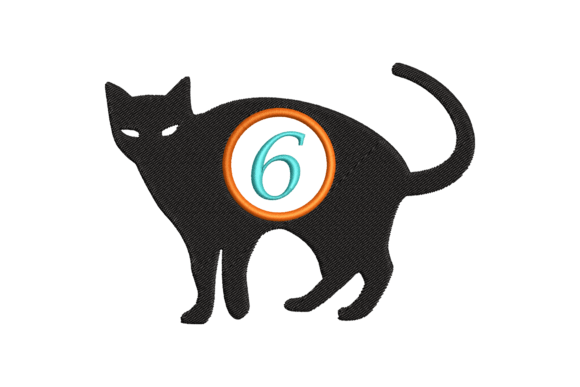
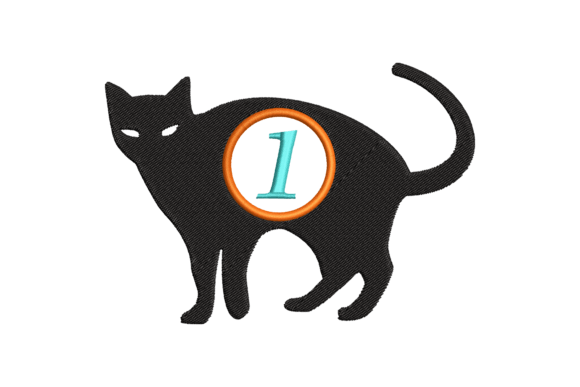
The moment you preview Black Cat Number 1, you notice its balance: a stylized black cat sitting upright, front paws centered, tail curled just so—and the “1” integrated cleanly, not tacked on. It’s playful but not childish, bold but not overwhelming. There’s no excessive outlining or fussy detail—just confident satin stitch contours and clean fill areas. That makes it ideal for projects where clarity matters more than complexity: think embroidered tote bags for teachers, minimalist sweatshirt fronts for students, or delicate baby onesies where subtlety reads as care.
Where It Shines in Real Projects
Last week, I tested Black Cat Number 1 on a natural linen tea towel—no appliqué, no background fill—just the design alone, centered above the hem. The result? Instant warmth. Customers browsing our local craft fair booth paused, smiled, and asked, “Is that for first-day-of-school?” Yes—and also for graduation, birthday gifts, or “just because” charm. Its versatility is real.
- Custom apparel: Works beautifully on midweight cotton sweatshirts—especially when placed left-chest or centered on the back. The cat’s posture holds up well at 3.5"–4", and the “1” stays legible without needing oversized lettering.
- Tote bag design: On canvas or duck cloth, it reads clearly even from across a classroom or café table. No need to add borders or shadow effects—the shape carries its own weight.
- Baby embroidery: Stitched in soft pastel thread on ivory knit onesies, it reads gentle and sweet—not edgy or ironic. Perfect for “Class of 203X” baby announcements or nursery wall hangings.
- Embroidered patch: Clean edges and moderate stitch density mean it transfers well to twill or felt backing. Holds up through repeated iron-on applications and laundering.
- Holiday & gift embroidery: Paired with simple red or gold thread, it becomes unexpectedly festive—think “First Christmas as a Big Sibling” or “My First Day of Kindergarten” pillow covers.
Where to Proceed With Care
Black Cat Number 1 is forgiving—but not magic. Here’s where attention pays off:
- Thin or stretchy fabric: On lightweight jersey or ribbed knits, use cutaway stabilizer underneath *and* topping (like water-soluble film) to prevent puckering around the cat’s ears and tail tip.
- Dark fabric: Test thread contrast early. Standard black thread disappears on charcoal or navy. Switch to charcoal-gray or deep plum for distinction—or go bold with metallic silver for subtle shimmer.
- Curved surfaces (caps, hats): The design’s symmetry helps, but avoid placing it too close to the crown seam. Center it on the front panel, and reduce hoop tension slightly to maintain stitch alignment.
- Small hoop sizes (under 4”): Confirm the file scales cleanly below 3”. Some versions compress the “1” disproportionately—check your digitizing software preview before stitching.
- Frequent-wash items (baby clothes, kitchen towels): Avoid overly dense fill areas—Black Cat Number 1 generally avoids this, but verify stitch density in the tail and paw zones. Over-stitching leads to stiffness and cracking over time.
What It Adds—Beyond the Stitch
Using Black Cat Number 1 doesn’t just decorate fabric—it elevates perception. On an Etsy listing, it signals thoughtful curation: not mass-produced clip art, but a considered machine embroidery design with narrative weight. Buyers recognize that. For small shop owners, it strengthens brand consistency when used across matching aprons, tote bags, and teacher thank-you cards. For craft fair sellers, it sparks conversation—“Is that your kid’s class number?”—which builds connection faster than any price tag.
It also reinforces professionalism. Unlike overly busy motifs, Black Cat Number 1 leaves breathing room. That space lets the fabric, thread quality, and stitching precision shine—key for handmade product credibility. And yes, it photographs well: clear outlines, balanced negative space, and strong silhouette make it ideal for printable mockups and social media thumbnails.
Designer Notes You’ll Actually Use
Before committing to production—or listing it in your digital embroidery file shop—do these five things:
- Test Black Cat Number 1 on scrap fabric that matches your intended project (e.g., terry cloth for towels, fleece for blankets).
- Check thread color contrast on both light and dark backgrounds—don’t assume black-on-black reads well.
- Review stitch density in your embroidery software. If fill areas look muddy or overly thick, adjust underlay or reduce density by 5–10%.
- Confirm hoop size compatibility. If marketing for commercial embroidery, note whether it fits standard 4x4, 5x7, or larger hoops.
- Verify licensing. If selling finished products (like personalized sweatshirts), ensure the file permits commercial use. If reselling the digital embroidery file itself, confirm redistribution rights.
And one final note: Black Cat Number 1 doesn’t need embellishment. No need to add stars, banners, or script fonts around it. Its strength is in its quiet confidence—like the first day of school itself: full of possibility, grounded in simplicity, and ready to be made meaningful by the hands that bring it to life.