Bee Letter X: A Charming Embroidery Design for Meaningful Gifts
First Impressions: Sweet, Elegant, and Thoughtfully Crafted
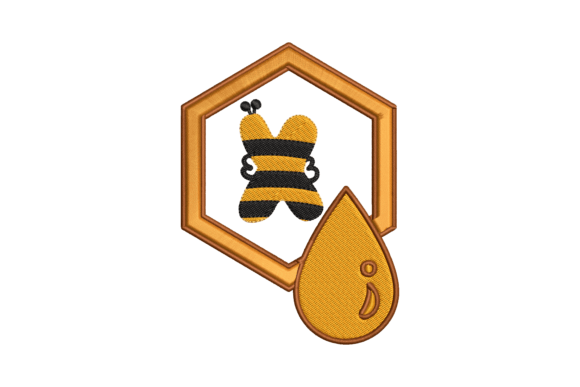
As an embroidery designer who’s tested hundreds of digital embroidery files for retail and custom work, Bee Letter X landed on my hoop with quiet confidence—not flashy, but deeply intentional. The moment I loaded the file into my software, I noticed its balanced proportions, clean curves, and subtle bee motif integrated seamlessly into the letterform. It feels sweet without being cutesy, elegant without stiffness, and handmade without looking amateurish. There’s a gentle romanticism to it—like a pressed flower tucked into a handwritten note—but also a modern clarity that reads well at multiple sizes. For personalized gift products, that emotional resonance matters more than we sometimes admit. Customers don’t just buy monograms; they buy meaning. And Bee Letter X delivers that quietly, consistently.
Where Bee Letter X Shines: Real-World Gift Applications
This machine embroidery design thrives where sentiment meets utility. Imagine it stitched onto a soft organic cotton baby blanket—tiny, delicate, and full of promise. Or on a linen pillow cover for a nursery, paired with neutral thread colors to let the shape and story breathe. It’s equally at home on a wedding keepsake handkerchief (a lovely alternative to traditional monograms), a custom apron for a new baker, or a sturdy canvas tote bag for a teacher heading back to school. As an Etsy seller or small shop product creator, Bee Letter X gives you versatility without sacrificing charm: one design, many audiences—new parents, engaged couples, educators, craft fair shoppers, and even boutique hotel gift shops looking for locally embroidered linens.
For baby embroidery, its scale and structure hold up beautifully on swaddles and onesie pockets—just avoid placing it directly over high-stretch seams. On embroidered towels, it reads clearly when centered on the lower corner or folded hem, especially if you choose a slightly heavier stabilizer to prevent puckering. And for wedding gifts? Pair it with a minimalist tea towel or ceramic mug sleeve—it becomes a quiet heirloom detail, not a loud statement.
Use With Care: Practical Fabric & Placement Notes
Bee Letter X is thoughtful—but not foolproof. Its charm lives in fine lines and smooth contours, so it demands mindful execution. Avoid using it for ultra-small lettering under 2 inches tall; delicate details like the bee’s wing veins may lose definition. On textured fabric—think terry cloth, bouclé, or thick waffle weave—test stitch first: dense areas can flatten or distort. Thick towels need extra stabilizer support, and stretchy baby clothes require cutaway backing and reduced top tension to prevent distortion after washing.
Curved surfaces (like mugs sleeves or rounded pillow fronts) call for careful hooping and possibly repositioning mid-stitch. Dark fabric requires strong thread color contrast—consider matte rayon or metallic accents for visibility, but always check how light reflects off the finished piece in natural light. And remember: frequent washing affects longevity. Recommend cold wash, gentle cycle, and air dry for any finished product featuring Bee Letter X—especially blankets and kitchen linens.
Why This Design Builds Trust—and Sales
When customers see Bee Letter X on your product photography, they don’t just see stitching—they see care. That perceived value lifts your entire handmade product line. It signals intentionality: this wasn’t slapped on; it was chosen, tested, and placed with purpose. For Etsy sellers and small business owners, that nuance translates directly to higher conversion rates and fewer “is this really custom?” questions. Buyers engage more deeply with items that feel emotionally anchored—and Bee Letter X does that effortlessly. Whether it’s a baby’s first initial, a couple’s shared initial, or a teacher’s name on a Back To School tote, it personalizes without overcomplicating.
Essential Embroidery Prep Checklist
Before stitching Bee Letter X on your next customer order, run through these practical steps:
- Test on scrap fabric—same type, same weight, same dye lot as your final product.
- Confirm thread color contrast—especially on dark or variegated fabrics; soft pastels may disappear.
- Verify hoop size compatibility—some versions of Bee Letter X may be optimized for 4x4 or 5x7 hoops; check your file metadata.
- Review stitch density—if it feels overly dense for lightweight fabric, consider reducing fill density by 5–10% in editing software.
- Choose stabilizer wisely: tear-away for stable cottons, cutaway for knits and towels, and water-soluble topping for textured surfaces.
- Compare light and dark fabric mockups—use printable mockups or simple photo edits to preview how it’ll look before stitching.
- Inspect small details post-stitch—check wing edges, inner curves, and letter terminals for skipped stitches or thread breaks.
- Confirm commercial licensing—Bee Letter X, Embroidery Design is intended for use in handmade products, but always verify terms before selling finished goods at scale.
A Final Thought for Makers and Sellers
Bee Letter X isn’t just another embroidery file—it’s a quiet collaborator in your creative process. It doesn’t shout. It invites. It fits naturally into life’s tender milestones: first days, forever vows, classroom beginnings, and everyday moments made special. Whether you’re designing baby embroidery for a boutique, curating wedding gifts for a local shop, or listing custom pillow covers on Etsy, this design earns its place in your digital embroidery file library—not because it’s trendy, but because it’s trustworthy, adaptable, and kind to both fabric and feeling. Use it well, test it thoroughly, and let its gentle charm do the rest.